Introduction
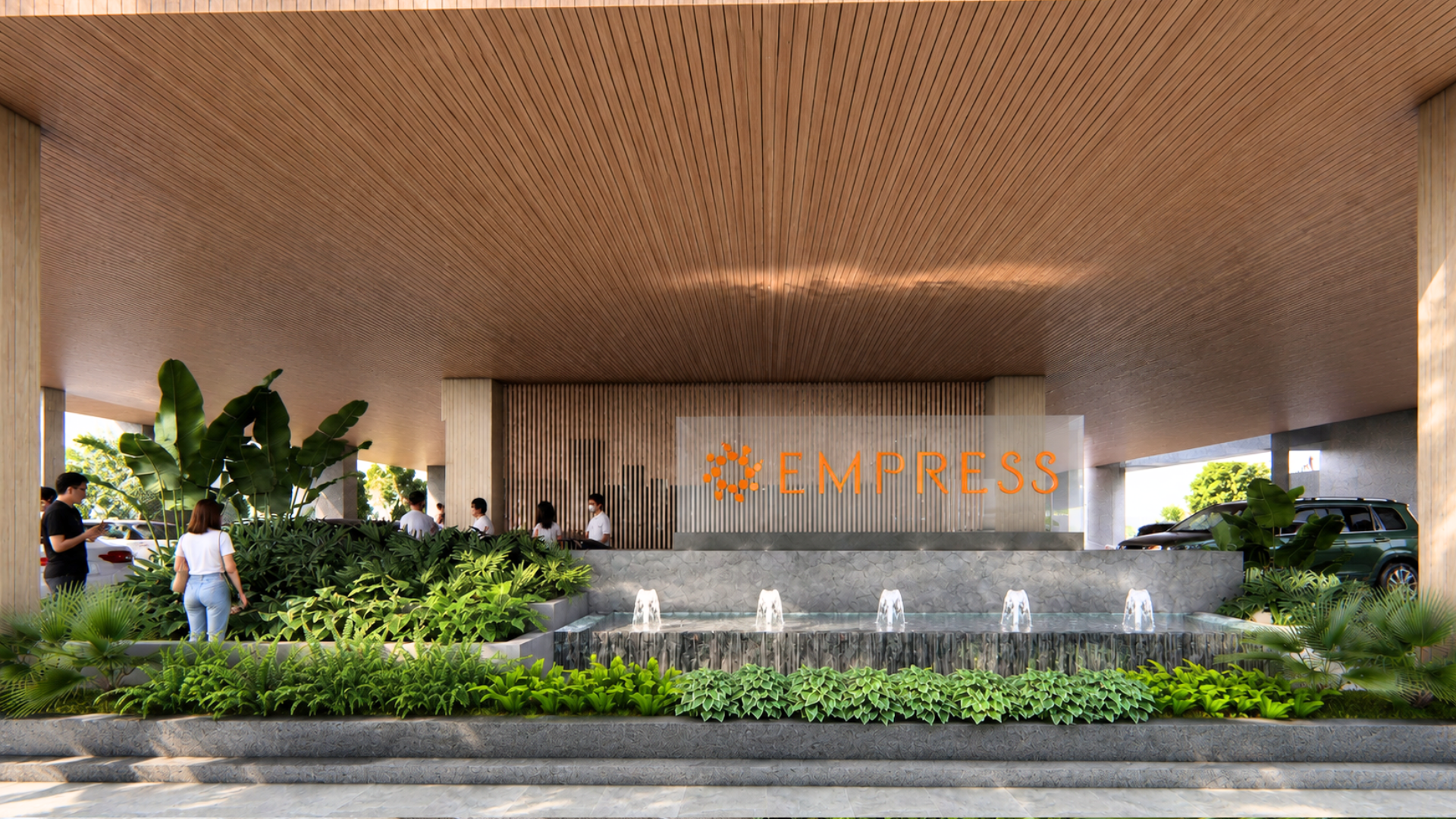
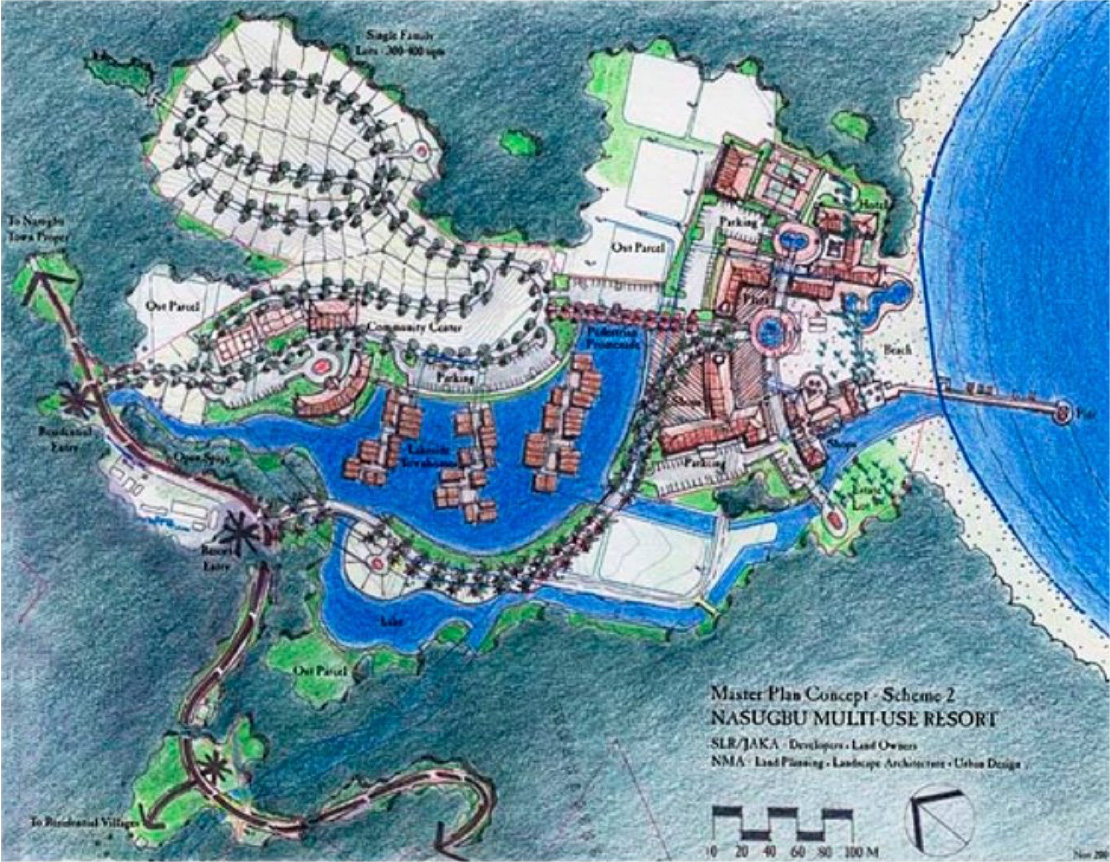
Landscape architecture is a unique blend of art and science, focusing on designing outdoor spaces that are both functional and aesthetically pleasing. It involves the planning, designing, and managing of natural and built environments, ranging from urban parks to residential gardens. This field not only enhances the beauty of our surroundings but also addresses environmental and social challenges.
The Role of Landscape Architects
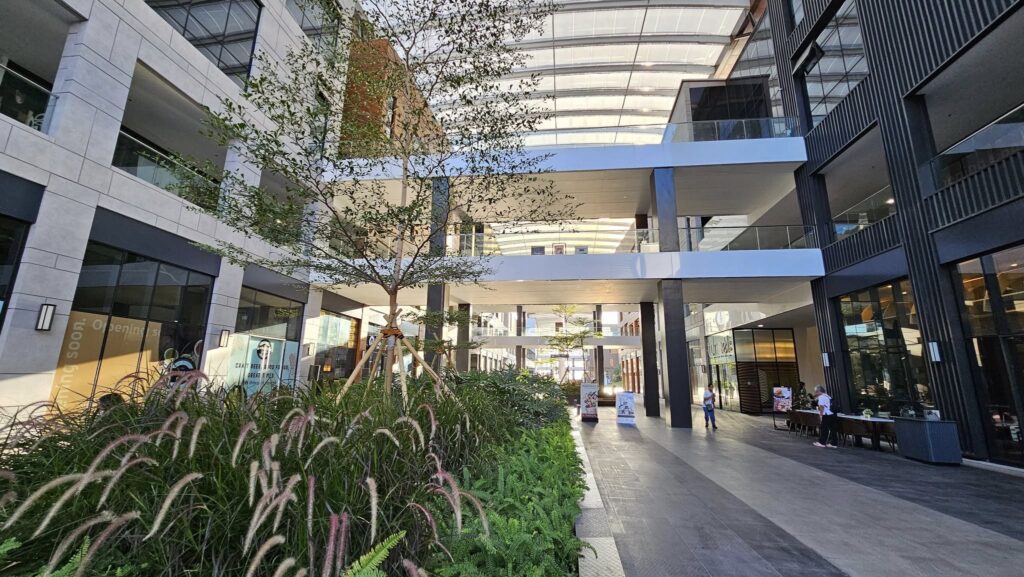
Landscape architects play a crucial role in shaping our environment. They work on a variety of projects, including:
- Urban Planning: Designing public spaces like parks, plazas, and streetscapes to improve the quality of urban life.
- Residential Design: Creating beautiful and functional outdoor spaces for homes, including gardens, patios, and pools.
- Environmental Restoration: Rehabilitating damaged ecosystems, such as wetlands and forests, to restore their natural functions.
- Recreational Areas: Designing spaces for recreation, such as golf courses, sports fields, and playgrounds.
Key Principles of Landscape Architecture
- Sustainability: Emphasizing eco-friendly practices to create landscapes that conserve resources and support biodiversity.
- Functionality: Ensuring that outdoor spaces meet the needs of their users, whether for recreation, relaxation, or other activities.
- Aesthetics: Combining plants, materials, and structures to create visually appealing environments.
- Context: Designing landscapes that respect and enhance the surrounding natural and built environment.
The Design Process
The landscape architecture design process typically involves several stages:
- Site Analysis: Assessing the physical, ecological, and cultural characteristics of the site.
- Concept Development: Creating initial design ideas and concepts based on the site analysis and client requirements.
- Design Refinement: Developing detailed plans and specifications, including planting plans, hardscape designs, and construction details.
- Implementation: Overseeing the construction and installation of the landscape design.
- Maintenance: Ensuring the long-term health and beauty of the landscape through regular upkeep and management.
Trends in Landscape Architecture
- Green Infrastructure: Integrating natural systems into urban environments to manage stormwater, reduce heat islands, and improve air quality.
- Edible Landscapes: Designing gardens that produce food, promoting sustainability and self-sufficiency.
- Native Plantings: Using indigenous plants to support local ecosystems and reduce maintenance needs.
- Technology Integration: Utilizing advanced tools like GIS (Geographic Information Systems) and 3D modeling to enhance design accuracy and efficiency.
Conclusion
Landscape architecture is a dynamic and evolving field that combines creativity with technical expertise. By designing thoughtful and sustainable outdoor spaces, landscape architects contribute to the well-being of individuals and communities, while also protecting and enhancing our natural environment.
I hope you find this blog post helpful! If you have any specific aspects of landscape architecture you’d like to explore further, feel free to let me know.